September on the Spanish coast: the month locals keep for themselves
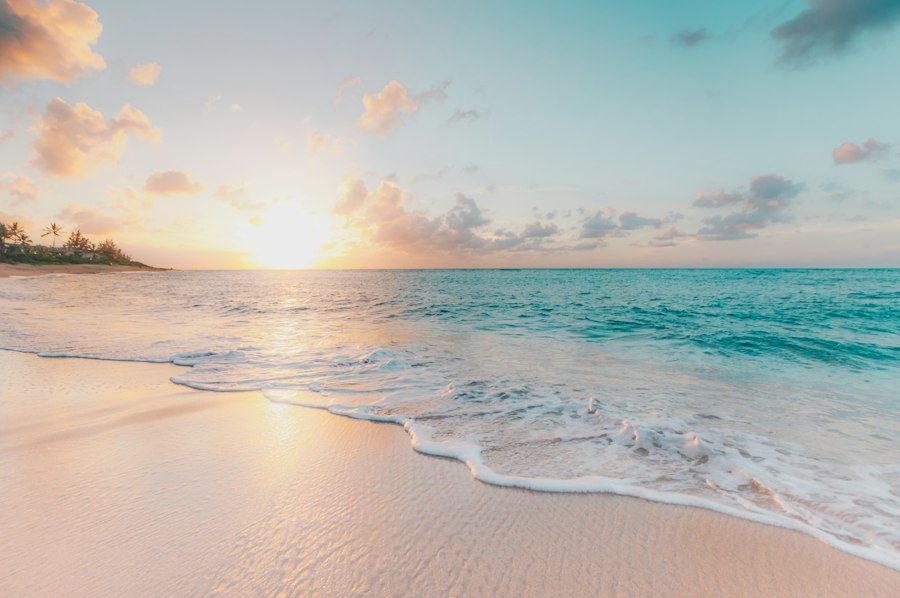
Ask any Spaniard who lives on the coast when the best month is. Not June, not July, definitely not August. The answer is always September, delivered with the confidence of someone who has watched fifteen summers worth of tourists leave and knows exactly what comes after.
September is when the Spanish coast stops performing. The beach bars take down the extra tables. The restaurants start cooking for people who will come back tomorrow. The sea reaches its warmest point of the year — 25-27 °C on the Mediterranean, 20-22 °C on the Atlantic — because it's been absorbing heat since June and hasn't started cooling yet. The air temperature drops to 25-28 °C, which is the range where you can eat lunch outside without sweating through your shirt. Parking reappears. Prices drop 30-50% depending on the town. And the light — the light in September is lower, warmer, more horizontal, turning every evening walk into something a photographer would plan for.
This is not a generic "best time to visit Spain" article. This is the specific case for September, town by town, for the coastal destinations we cover at LORS. No affiliate placements, no sponsored content, no "the weather is lovely" filler.
Why September works structurally
Three things happen simultaneously on the Spanish coast in September:
1. The crowd disappears on September 1st. Spanish school starts in the second week of September, and the country's holiday culture means that most families pack up on August 31st. The change is abrupt: a beach that had 500 people on Sunday the 31st will have 50 people on Monday the 1st. By mid-September, you're sharing the coast with local retirees, northern European couples, and remote workers.
2. The sea peaks. Mediterranean sea temperatures hit their annual maximum in the first two weeks of September. On the Costa Brava it's 24-25 °C; on the Costa Daurada 26-27 °C; on the Costa Blanca 27-28 °C; on the Costa del Sol 24-25 °C. On the Atlantic side: Cádiz 22-23 °C, Asturias 20-21 °C, Galicia 19-20 °C. This is the only month where you can swim comfortably everywhere on the Spanish coast.
3. Prices crater. Accommodation drops 30-50% from August highs depending on the town. Flights drop too. Restaurants that required a week's reservation in August take walk-ins on a Tuesday. Car rental halves.
The combination is almost unfair: better weather for humans, better water for swimming, fewer people, lower prices. The only trade-off is that some beach services (lifeguards, chiringuito hours) scale back after mid-September.
Where to go in September: our picks
Mediterranean coast
Cambrils (Costa Daurada)
September is Cambrils' best month and the locals know it. The PortAventura spillover that floods the southern promenade in August vanishes overnight. The lonja still auctions every weekday morning. The Michelin-starred restaurants have tables at lunch without reservations. The 9 km bike path is yours. Sea temperature: 26-27 °C — the warmest water on the Catalan coast. A couple can do €110-130/day, down from €145+ in August. Full Cambrils report →
Altafulla (Costa Daurada)
The medieval Vila Closa in September is close to its winter self: quiet stone streets, the castle restaurant open without crowds, the beach half-empty by ten in the morning. The Roman villa of Els Munts (UNESCO) has no queue. The train to Tarragona and Barcelona runs the same schedule. Sea temperature: 26 °C. The most protected skyline on the Spanish coast, with the most comfortable month to experience it. Full Altafulla report →
Begur (Costa Brava)
The four calas (Sa Tuna, Sa Riera, Aiguablava, Aiguafreda) revert to their natural density — a dozen people per cove instead of a hundred. The access roads are drivable again. The hill village is walkable without competing for pavement. Water temperature: 24-25 °C, which on the Costa Brava counts as bathwater. Property viewings are easier because the rental calendar opens up. Best time to explore whether Begur is a place you'd actually live. Full Begur report →
Jávea / Xàbia (Costa Blanca)
The warmest water on our list: 27-28 °C in the first half of September. The three-core structure (old town, port, Arenal beach) becomes manageable again — you can park near the port, eat at the Arenal without booking, walk the old town without running into tour groups. The foreign-resident community (about half the population) stays year-round, so the social infrastructure doesn't collapse. September is when the nomad and relocator community is most visible. Full Jávea report →
Nerja (Costa del Sol Oriental)
The Balcón de Europa at sunset with no crowd is a different experience from the August version. The calas de Maro empty out. The Cueva de Nerja has same-day tickets. Water temperature: 24-25 °C. Nerja's subtropical microclimate means September averages 28-30 °C air temperature, which is warm but not the punishing 35 °C of July. The Axarquía hills behind (Frigiliana, the mango and avocado groves) are accessible without heat stress. Full Nerja report →
Atlantic coast
Conil de la Frontera (Cádiz)
The Atlantic side has a different September: the almadraba season is over (that's May-June), but the late-summer tuna products (mojama, tarantelo) are still on every menu. Water temperature: 22-23 °C — the warmest the Atlantic gets here, which makes September the only month where the ocean is genuinely comfortable for swimming. The levante wind tends to ease in September compared to August. Prices drop hard — couples can do €85-100/day. Full Conil report →
Llanes (Asturias)
September on the Cantabrian coast is a different proposition. The sea is at its warmest (19-20 °C, which is still cool), the cliffs are green, the bufones perform when there's swell, and the Picos de Europa are fully accessible for high-altitude hiking. Llanes in September is the Asturias that the summer tourists don't see: quieter, drier than spring, with the culinary season shifting toward hearty food (fabada, pote, cabrales). Couples can do €100-115/day. Full Llanes report →
Hondarribia (País Vasco)
September extends the Basque summer. The pintxos bars in the Kale Nagusia have elbow room. Jaizkibel has clear days for the coastal walk. San Sebastián (25 min) starts its gastronomic high season as the Film Festival wraps up and the food scene takes centre stage. Water temperature: 21-22 °C. The rain probability is lower than in October, and the light on the Bidasoa estuary at sunset is worth the trip alone. Full Hondarribia report →
The September trade-offs
Nothing is without cost. Here's what you give up:
- Lifeguard coverage scales back mid-month on many beaches. Swim at your own judgment after September 15th.
- Some chiringuitos close after the first or second weekend. The ones that stay open are usually the better ones.
- Daylight shortens — you lose about an hour of evening light compared to late June. Sunsets move from 9:30 PM to 8:00 PM by month's end.
- School-age children can't go. If your kids are in school, September is off the table unless you home-educate or take the first week.
- Flight frequency drops on some routes. Check schedules early — some budget carriers cut the shoulder season first.
None of these is a deal-breaker for the target reader of this guide. They're the reasonable costs of having the coast mostly to yourself.
The numbers
| Town | Sea temp (Sep) | Couple daily cost (Sep) | vs August | Crowd level |
|---|---|---|---|---|
| Cambrils | 26-27 °C | €110-130 | −25% | Low |
| Altafulla | 26 °C | €110-125 | −20% | Very low |
| Begur | 24-25 °C | €180-220 | −30% | Low |
| Jávea | 27-28 °C | €140-170 | −25% | Low-medium |
| Nerja | 24-25 °C | €100-130 | −30% | Low |
| Conil | 22-23 °C | €85-100 | −35% | Low |
| Llanes | 19-20 °C | €100-115 | −25% | Very low |
| Hondarribia | 21-22 °C | €130-160 | −20% | Low |
How to use this
Book accommodation now. September is increasingly popular with the northern European market, and the best places (especially in Begur and Jávea) book up by July. Everything else — restaurants, activities, transport — you can figure out when you arrive, because the whole point of September is that you don't need to plan.
If you have flexibility within the month: the first two weeks are warmer and have longer days; the last two weeks are quieter and cheaper. The sweet spot for most people is September 8-22: schools have started, the sea is still warm, and the days are long enough for a full beach-to-dinner arc.
LORS reports for each of these towns include the September-specific data: water temperature curves, accommodation pricing by week, which chiringuitos stay open, and which restaurants shift to their autumn menus. Each report is €49. The LORS club is open — no waitlist: €29/month or €290/year (two months free).
We don't earn from where you decide to go. The reports are the product.