Buying property on the Spanish coast: what the agent presentation doesn't include
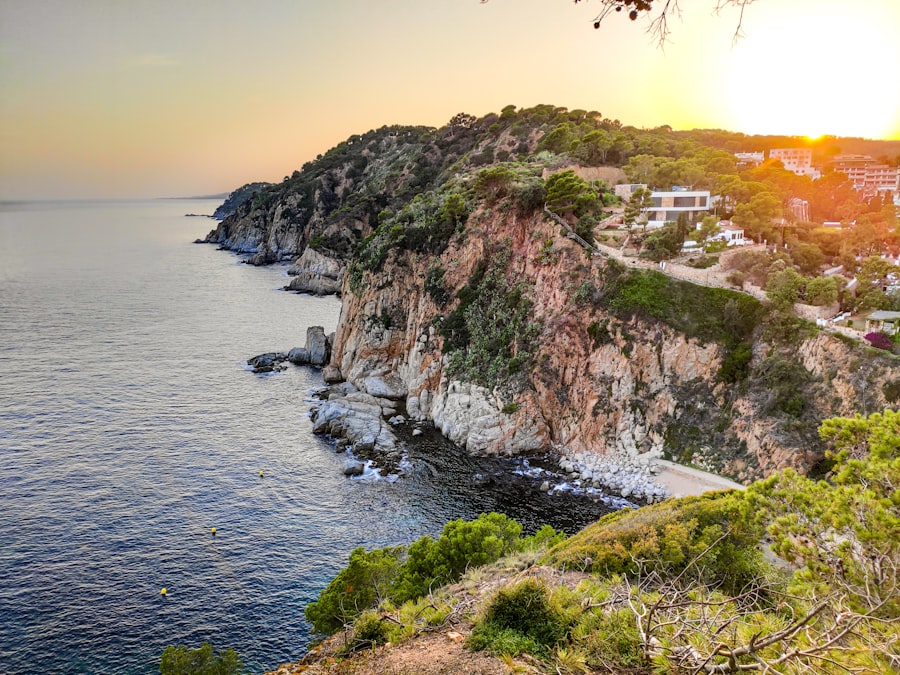
Every foreign buyer on the Spanish coast gets the same presentation. An agent drives you to a villa or apartment, points at the sea, talks about rental yield, mentions "golden visa" or "lifestyle investment," and hands you a price sheet. What the presentation never includes is the information that would change your decision — not because the agent is dishonest, but because the agent earns a commission when you buy, not when you walk away.
This guide is what the presentation skips. We don't sell property, we don't take agent commissions, and we don't earn from referrals. LORS is an editorial project that covers the Spanish coast in depth. Everything below comes from two years of watching foreign buyers make purchases — some excellent, some regrettable — across the towns we cover.
This is not legal or financial advice. It is editorial information from people who have seen the market from the data side, not the sales side.
1. The yield number is almost always wrong
The single most common deception in Spanish coastal property sales is the projected rental yield. Agents routinely present a yield figure — typically 5-7% — that assumes:
- 100% occupancy in summer (12-16 weeks)
- Shoulder-season bookings that don't materialise for most properties
- No maintenance, no management fee, no cleaning turnover cost, no vacancy
- A rental rate based on peak-week pricing applied across the whole season
The real net yield for a holiday rental on the Spanish coast, after management (typically 20-25% of gross revenue), cleaning, maintenance, IBI (property tax), community fees, income tax (IRNR for non-residents, 19% for EU, 24% for non-EU) and vacancy, is typically 2-4% net for well-located properties and negative for poorly located ones.
What to do: ask the agent for documented rental income from the last three full calendar years, verified by the tax declaration (modelo 210 for non-residents). If they can't provide it, the yield projection is a guess.
2. Location within the town matters more than the town
Foreign buyers spend weeks choosing between towns and minutes choosing between streets. The decision that actually determines your experience is the second one.
In Cambrils, the difference between a flat in the old town near the port and a flat in the southern seafront strip near PortAventura is the difference between living in a real fishing village and living in a tourist overflow zone. Same town, same postcode, different universe.
In Jávea, the old town is fully Spanish with a daily market and a bakery; the Arenal beach strip is 50% foreign with English menus and pub culture. Both are "Jávea" — but they're different places.
In Begur, the village is walkable, has services and has community. The isolated villas on the hillsides above the calas have views and privacy but require a car for every errand and have no social fabric.
What to do: before you buy anywhere, rent in the exact neighbourhood for at least one full month (ideally in both summer and winter). Walk to the bakery, the pharmacy, the supermarket. Time the drive to the hospital. Sit in the plaza at 7 PM on a Tuesday in February. If it's empty, that's the town's real population.
3. The non-resident tax burden is higher than you expect
Non-resident property owners in Spain owe tax every year even if they don't rent. The three layers:
- IBI (Impuesto sobre Bienes Inmuebles): municipal property tax, varies by town, typically €300-1,500/year for a coastal apartment
- IRNR (Impuesto sobre la Renta de No Residentes): annual non-resident income tax. If you rent: 19% (EU) or 24% (non-EU) of gross rental income. If you don't rent: imputed income tax of 1.1-2% of the catastral value, taxed at the same rates
- Patrimonio (Wealth Tax): applies to non-residents with Spanish assets over €700,000 (threshold varies by region), at progressive rates up to 3.5%
Plus community fees (€50-300/month for apartments), insurance, and maintenance. The total annual holding cost for a €250,000 coastal apartment typically runs €4,000-8,000/year before any mortgage payment. For a €500,000 villa, €8,000-15,000/year.
What to do: get a Spanish tax advisor (asesor fiscal) who works with non-residents before you buy, not after. The agent's recommended advisor is often connected to the agency. Find your own.
4. The buying process has structural traps
Spanish property law is robust, but the process has specific friction points that catch foreign buyers:
Arras (deposit contract). The standard deposit contract (contrato de arras) binds the buyer to forfeit the deposit (typically 10%) if they withdraw. The seller must return double the deposit if they withdraw. Agents push for quick arras signing because it locks you in. Take time. Get your own lawyer to review before signing.
Nota simple. Always request a nota simple from the Registro de la Propiedad before arras. This document shows the registered owner, any charges (mortgages, embargoes), and the property boundaries. If the nota simple doesn't match what the agent told you, stop.
NIE (Número de Identidad de Extranjero). You need one to buy. Apply at a Spanish consulate or police station (Comisaría). The process takes 1-6 weeks depending on location and time of year. Start early.
Illegal extensions. On the coast, many properties have been extended (extra bedroom, enclosed terrace, pool) without building permits. These are common and the agent may present them as normal. They are — until you need to sell, refinance, or insure, at which point the unregistered square metres become a problem. Check the catastro and the escritura match the physical property.
5. Some towns are structurally better bets than others
Not all Spanish coastal property markets behave the same way. Three structural indicators that separate stable markets from volatile ones:
Local-driven vs foreign-driven demand. Towns where the majority of buyers are Spanish (Cambrils, Altafulla, Hondarribia, Llanes) have more predictable price movements because Spanish buyers are driven by domestic economic cycles. Towns where the majority of buyers are foreign (Moraira, Calpe, parts of Marbella) swing with the pound, the euro exchange rate, and northern European sentiment.
Year-round population ratio. Towns with high year-round population (Cambrils: 35,000; Jávea: 27,000; Llanes: 13,000) maintain services, community and rental demand in winter. Towns with low year-round population but high summer peaks have structural vacancy October-May.
Regulatory protection. Towns with building height restrictions, protected skylines, or UNESCO/natural park constraints (Altafulla, Agua Amarga, Begur) have structurally limited supply. Limited supply in a desirable location is the strongest long-term price support in any property market.
6. The "golden visa" is almost gone
Spain's investor visa programme, which granted residency for property purchases of €500,000+, was suspended for new applications in April 2025. Existing holders retain their status, but new foreign buyers cannot use property purchase as a residency pathway.
If an agent mentions the golden visa as a buying incentive in 2026, they're either uninformed or hoping you are.
Alternative residency routes that still work: the non-lucrative visa (for people with sufficient passive income), the digital nomad visa (for remote workers), and EU citizenship (for EU nationals, who already have residency rights). Each has specific requirements; consult an immigration lawyer, not a property agent.
7. The purchase costs add 10-13% to the price
The listed price is not the final price. Budget for:
| Cost | Typical range |
|---|---|
| Transfer tax (ITP, resale) | 6-10% depending on region |
| VAT (IVA, new-build) | 10% + 1.5% stamp duty |
| Notary fees | €600-1,200 |
| Land registry fees | €300-600 |
| Lawyer fees | €1,500-3,000 (get your own) |
| Mortgage arrangement (if applicable) | 1-2% of loan amount |
Total additional cost: typically 10-13% of the purchase price. On a €300,000 apartment, that's €30,000-39,000 that the agent's price sheet doesn't include.
The honest summary
Buying on the Spanish coast can be excellent — the climate, the food, the cost of living relative to northern Europe, the quality of community life in the right towns. But the process is designed to move at the agent's pace, not yours. Slow it down. Get your own lawyer. Get your own tax advisor. Rent first. And treat the yield projection on the agent's spreadsheet as fiction until you see three years of actual rental declarations.
The towns we cover at LORS — Cambrils, Altafulla, Begur, Jávea, Nerja, Conil, Llanes, Hondarribia and others — are all structurally strong coastal markets for different reasons. The reports include property data (€/m² range, market grade, year-on-year trend) plus the neighbourhood-level detail that determines whether a specific purchase makes sense. Each report is €49. The LORS club opens limited groups: €29/month or €290/year (two months free).
We don't sell property. We sell the information that helps you decide whether to buy it.
This article is editorial information, not legal, tax, financial or investment advice. Property law and tax rules change; always consult a licensed Spanish lawyer (abogado) and an independent tax advisor (asesor fiscal) before any purchase.